
Did you know two-toed sloths have a surprisingly varied diet, everything from fruits and leaves to the occasional insect, lizard, or even carrion, roaming across as much as 140 hectares? Meanwhile, three-toed sloths are the ultimate picky eaters, sticking almost exclusively to leaves from just a few types of trees.
Because leaves are low in energy and nutrients, sloths have evolved large, slow-acting, multi-chambered stomachs filled with friendly bacteria to help break them down. A well-fed sloth’s stomach can make up to two-thirds of its total body weight, and digestion can take a month or more!
Fun fact: three-toed sloths head down to the ground about once a week to “do their business,” often in the same spot, covering it up afterward. While this makes them more vulnerable to predators, it also nourishes their favorite trees and supports the tiny ecosystem that lives in their fur, yes, including moths that complete their life cycle thanks to this quirky bathroom routine!
Important Update – Sloth Handling Policy
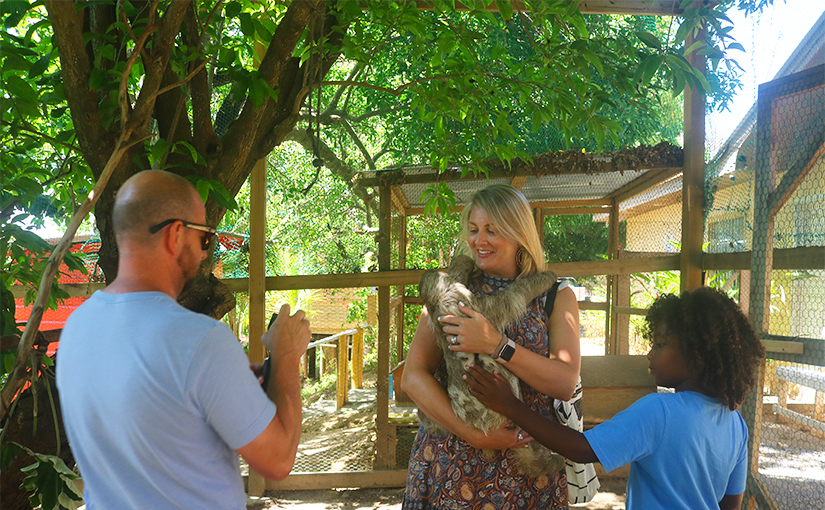
Earlier this year (2025), new government regulations were implemented to protect the well-being of sloths in Roatan. As part of these rules, handling sloths is no longer allowed. While many visitors dream of holding these gentle creatures, this change ensures they live stress-free, healthy lives in their natural environment. We can still enjoy watching them up close, learning about their fascinating behaviors, and capturing amazing photos without causing them harm.
More Wildlife Species
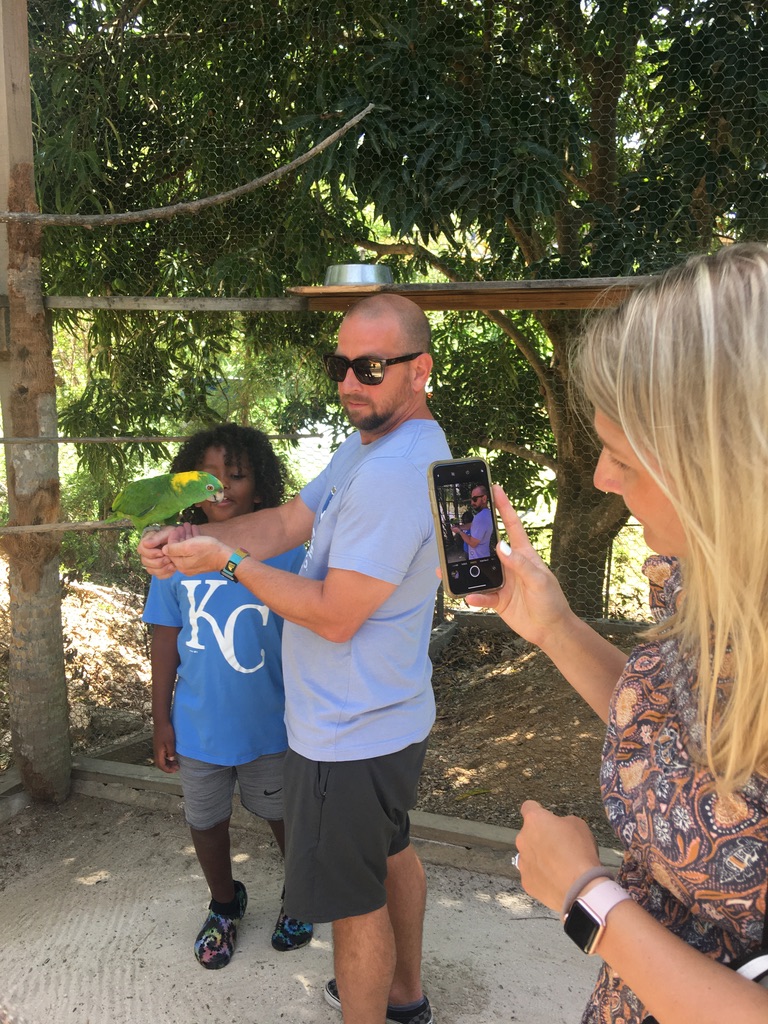
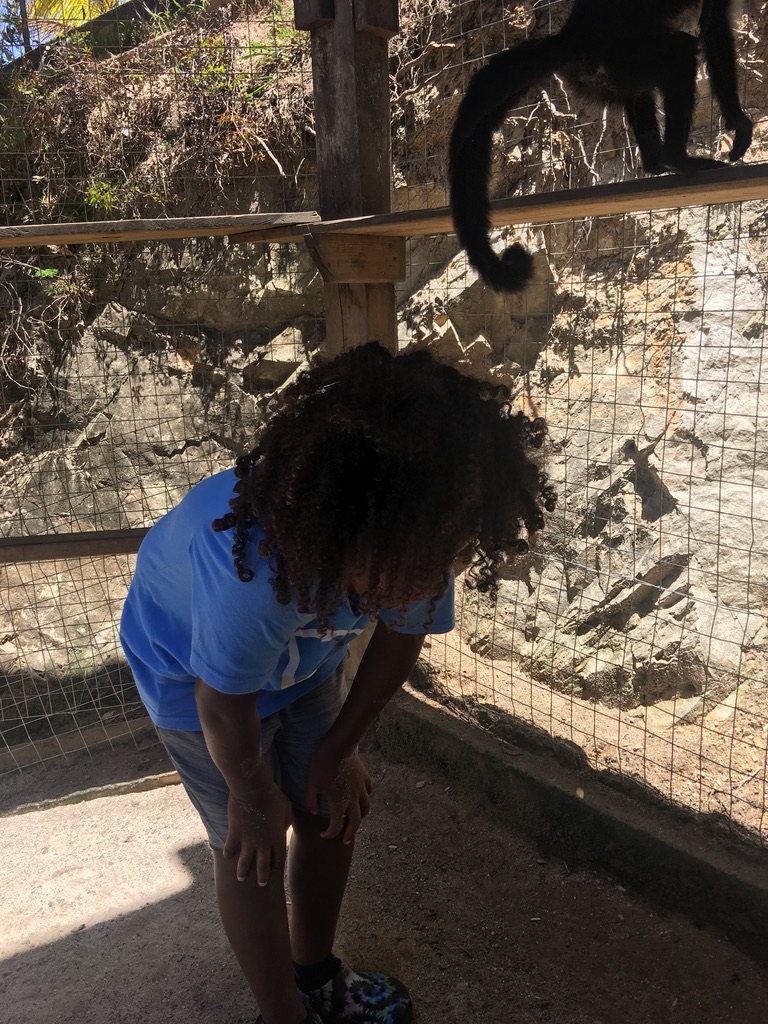
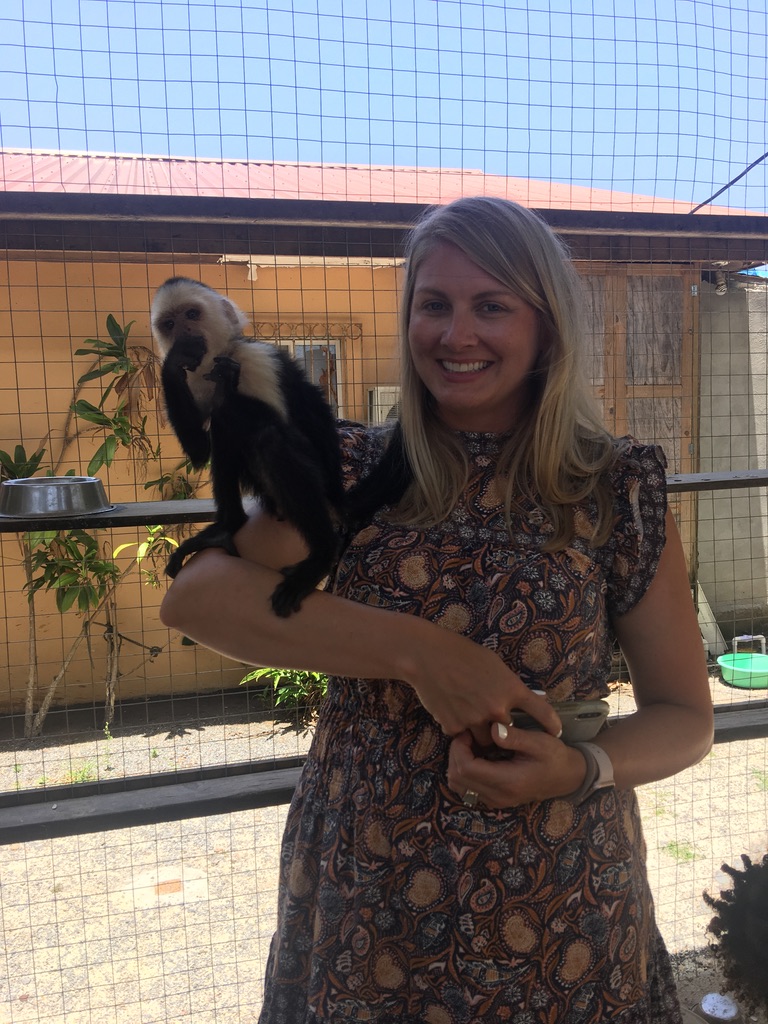
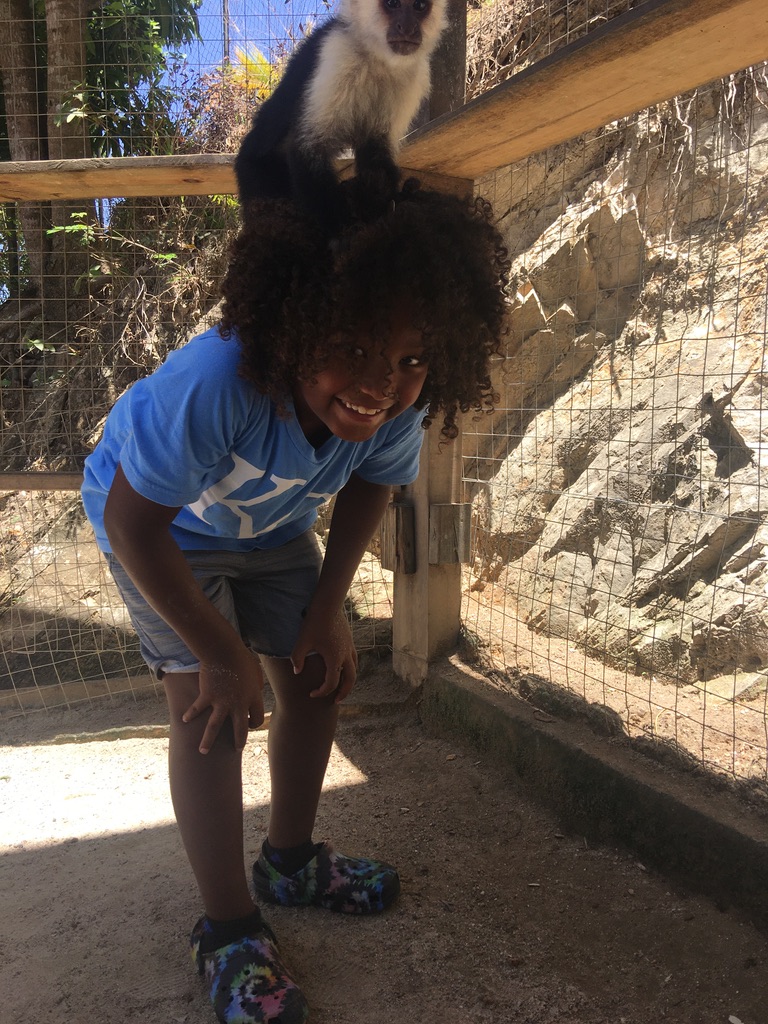
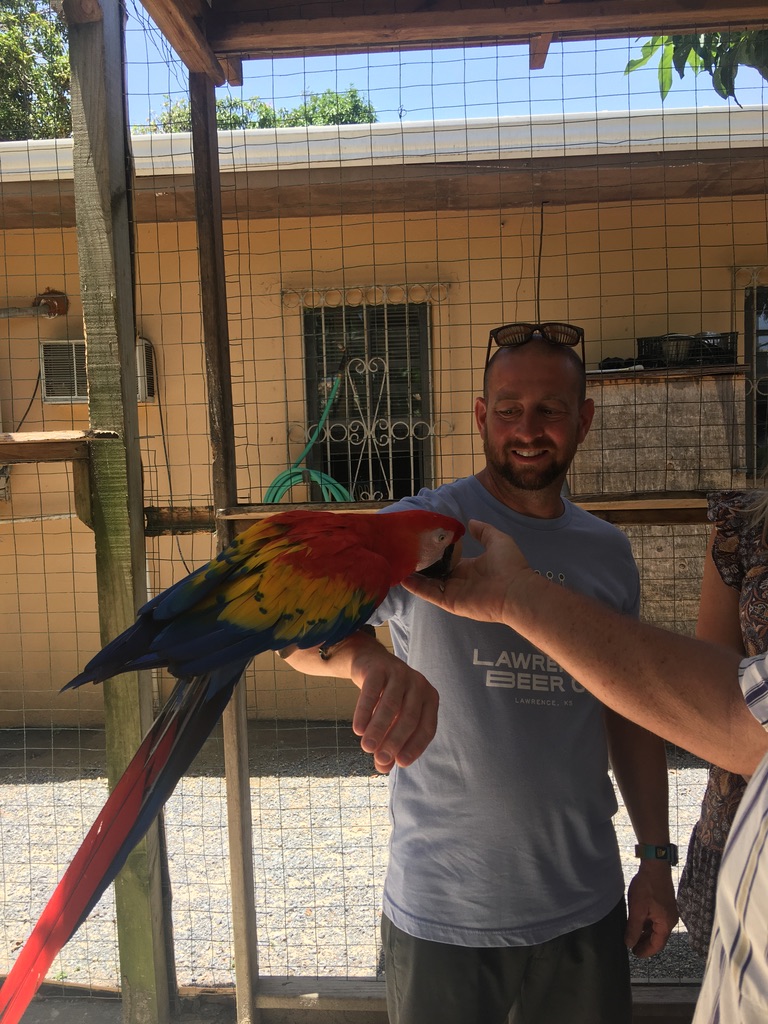
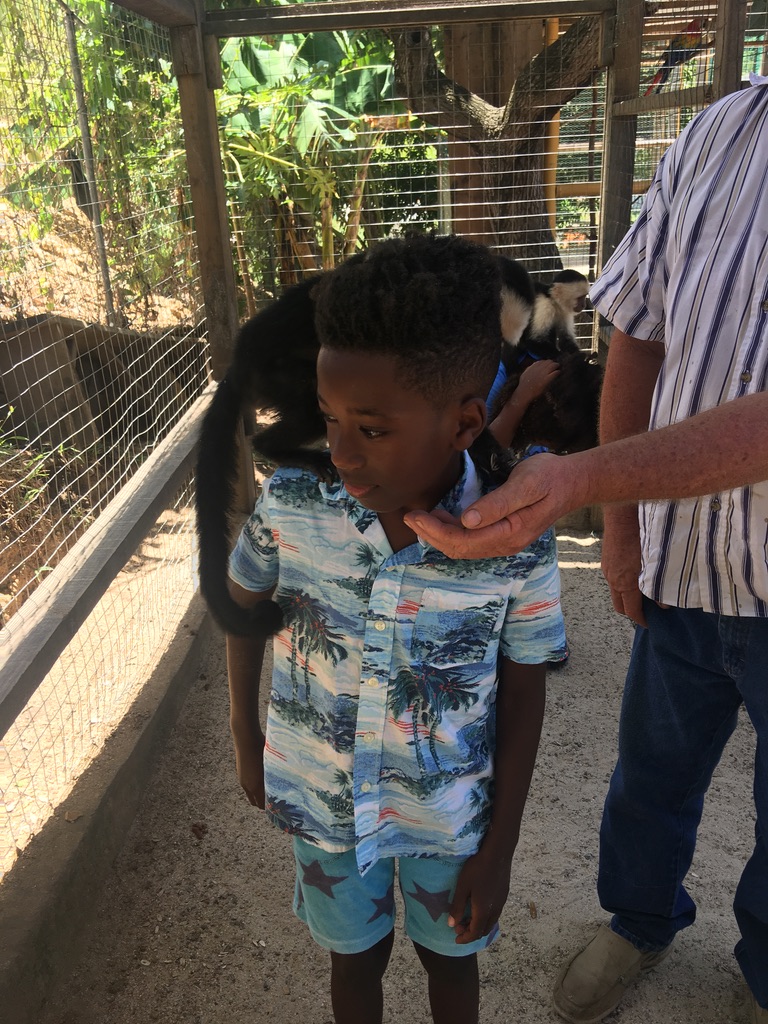
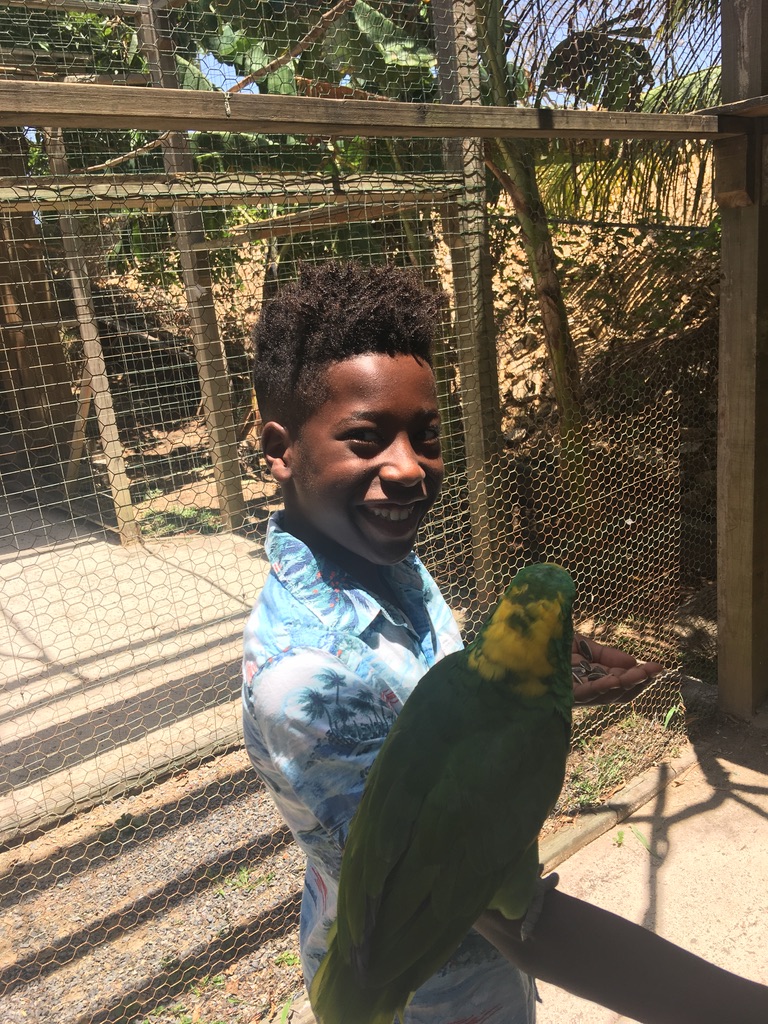
At the eco-park, we also learned about capuchin monkeys, colorful scarlet macaws, yellow-headed parrots, and the indigenous Agouti, also known as the Roatan island rabbit. The friendly staff will share extensive information about the wildlife species.
- Sloth at the eco park
- Yellow-headed parrots
- Capuchin monkeys
- Feeding the monkeys
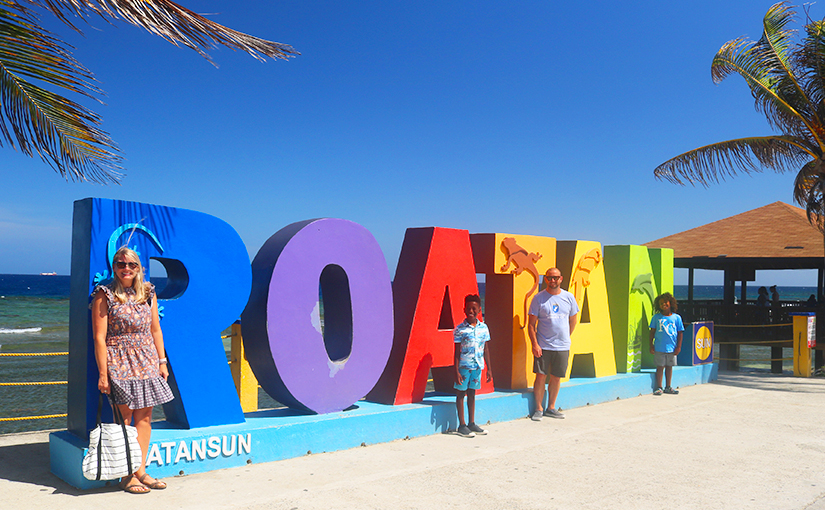
- Having fun
- Scarlet macaw
- Capuchin monkeys
- Yellow-headed parrot
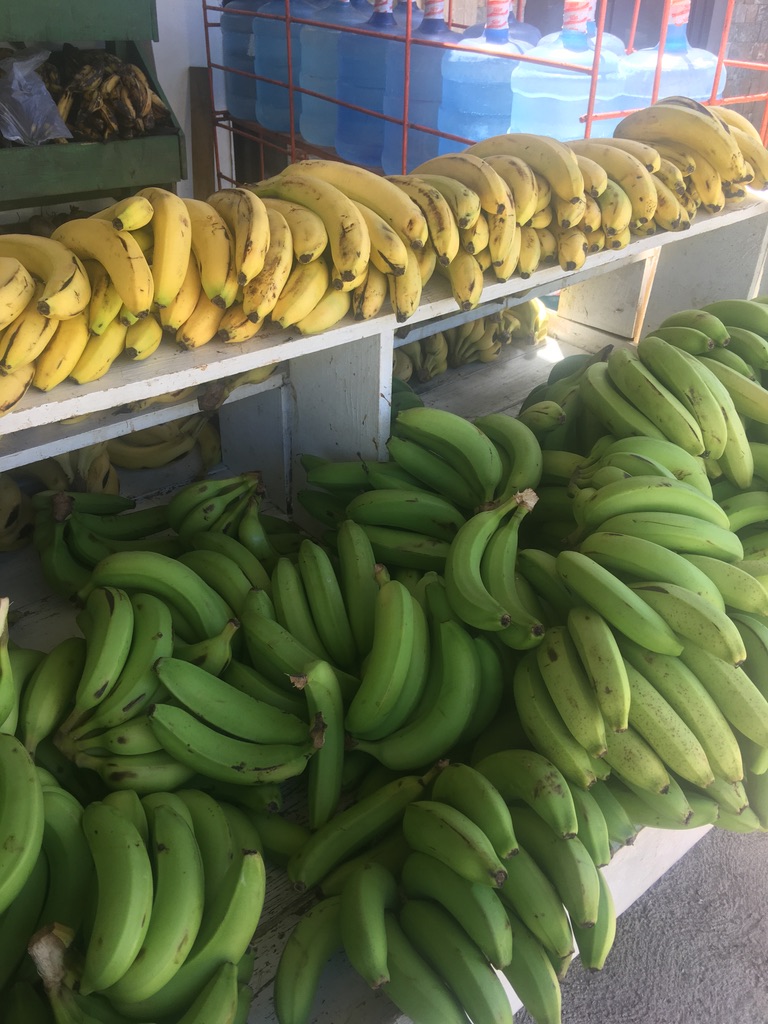
- Local market shopping
About the Sloths
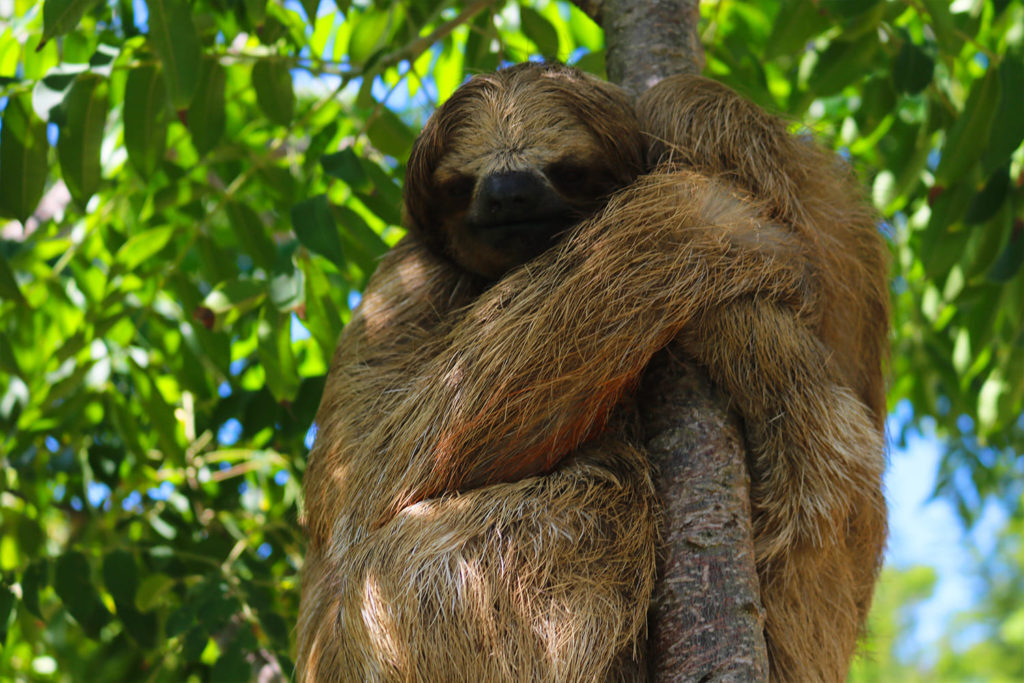
The sloth is so named because of its very low metabolism and deliberate movements, sloth being related to the word slow. This supports their low-energy diet of leaves and avoids detection by predatory hawks and cats that hunt by sight.
Sloths of the present day are arboreal mammals noted for slowness of movement and for spending most of their lives hanging upside down in the trees of the tropical rain forests of South America and Central America. The six species are in two families: two-toed sloths and three-toed sloths.
Baby sloths learn what to eat by licking the lips of their mother. All sloths eat the leaves of the cecropia.
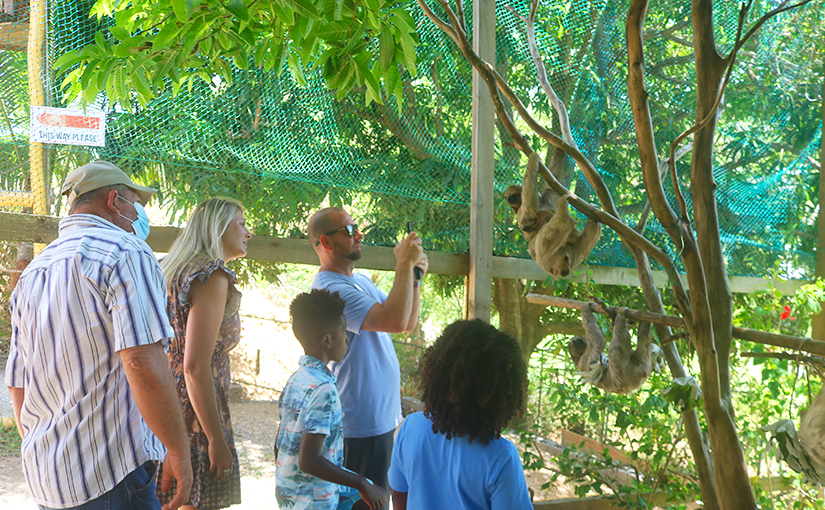
Two-toed sloths have a diverse diet of insects, carrion, fruits, leaves, and small lizards, ranging over up to 140 hectares. Three-toed sloths, on the other hand, have a limited diet of leaves from only a few trees, and no mammal digests as slowly.
They have made adaptations to arboreal browsing. Leaves, their main food source, provide very little energy or nutrients and do not digest easily, so sloths have large, slow-acting stomachs with multiple compartments in which symbiotic bacteria break down the tough leaves. As much as two-thirds of a well-fed sloth’s body weight consists of the contents of its stomach, and the digestive process can take a month or more to complete.
Three-toed sloths go to the ground to urinate and defecate about once a week, digging a hole and covering it afterward. They go to the same spot each time and are vulnerable to predation while doing so. This behavior may be related to maintaining the ecosystem in the sloths’ fur. Individual sloths tend to spend the bulk of their time feeding on a single “modal” tree; by burying their excreta near the trunk of that tree, they may help nourish it. Recent research shows that moths, which live in the sloth’s fur, lay eggs in the sloth’s feces. When they hatch, the larvae feed on the feces, and when mature fly up onto the sloth above.
More Wildlife Species
At the eco-park, we also learned about the capuchin monkeys, scarlet colorful macaws, yellow head parrots, the indigenous Agouti or Guatusa, also known as the Roatan island rabbit. The staff at the park are very friendly and will share a lot of information about the wildlife species.
Check our shore excursions section: Click Here also, please visit our reviews at TripAdvisor and if you want to learn more about the wildlife experience, we are ready to customize your day by adding more fun activities.